If you are inquisitive, the Bloomsbury London website is an excellent place to begin. There you will find a useful guide to the neighbourhood’s restaurants, shops, cultural attractions and events. It has everything required for a thoroughly satisfactory afternoon in Bloomsbury, with opportunities to pause and reflect with a coffee or something a little stronger. Whichever your heart calls for.

Overline
Where London Blooms
More than a London NeighbourhoodIn the Neighbourhood

Overline
Title Subtitle
Content
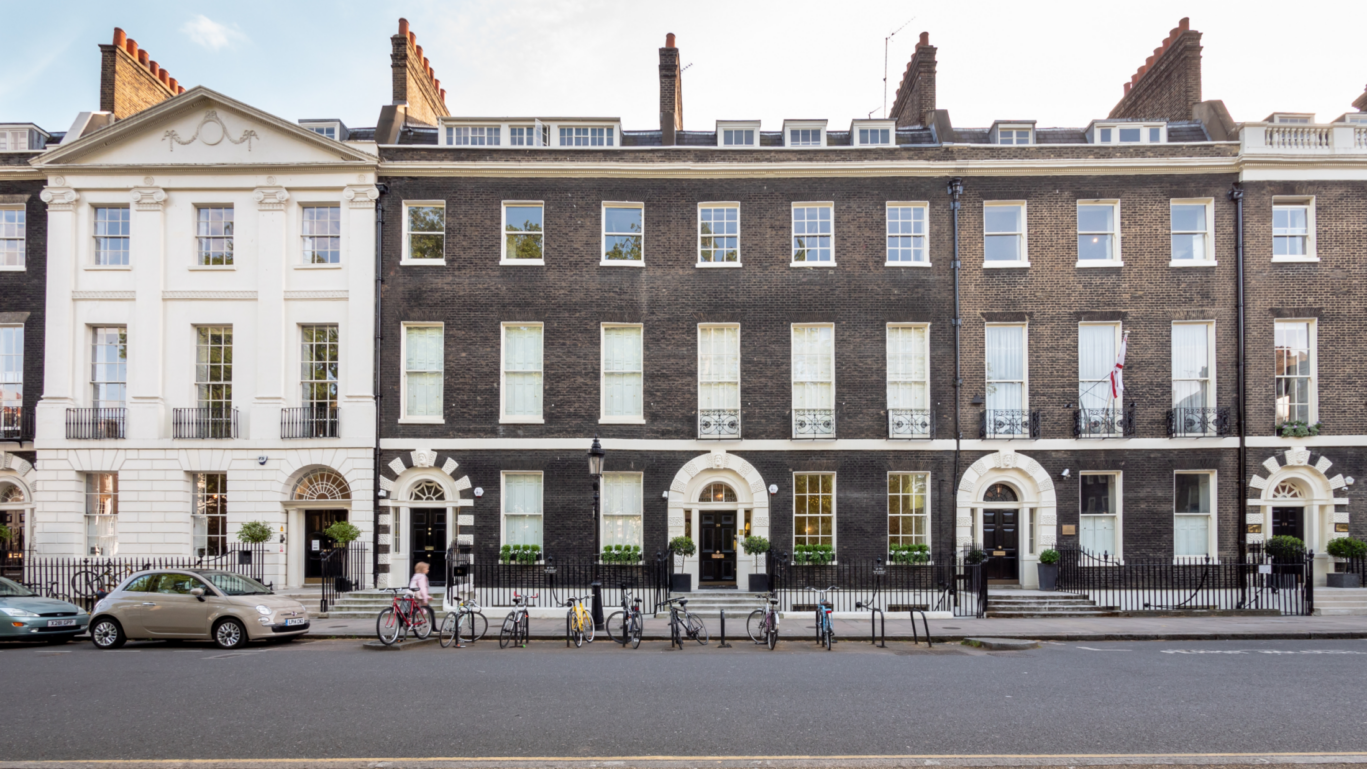
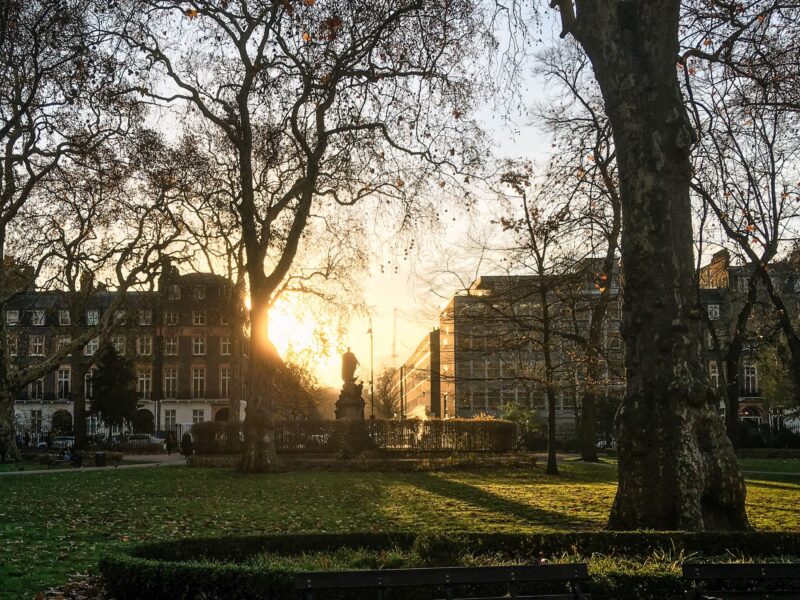
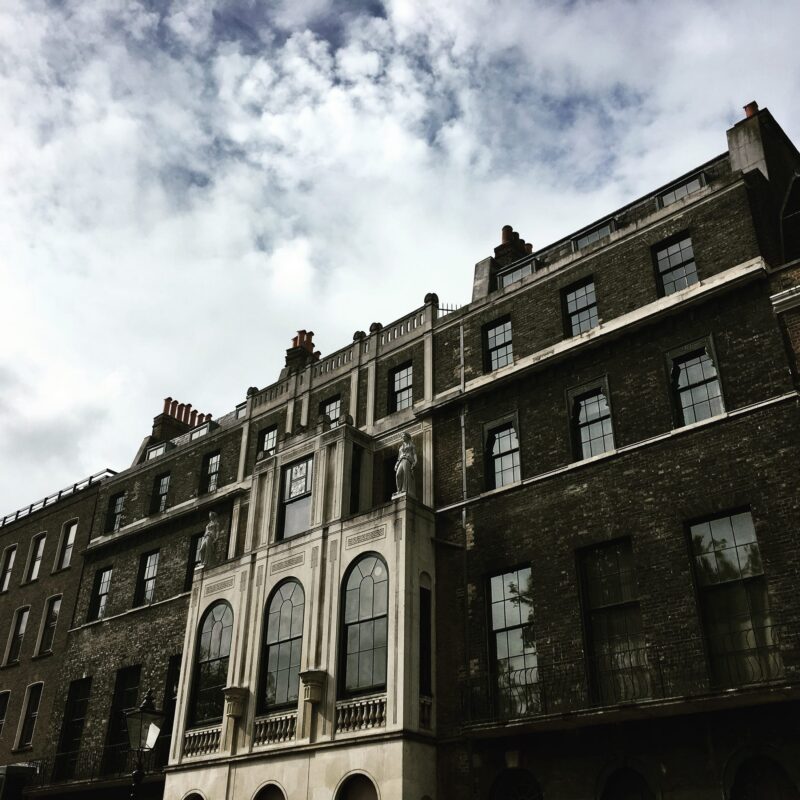
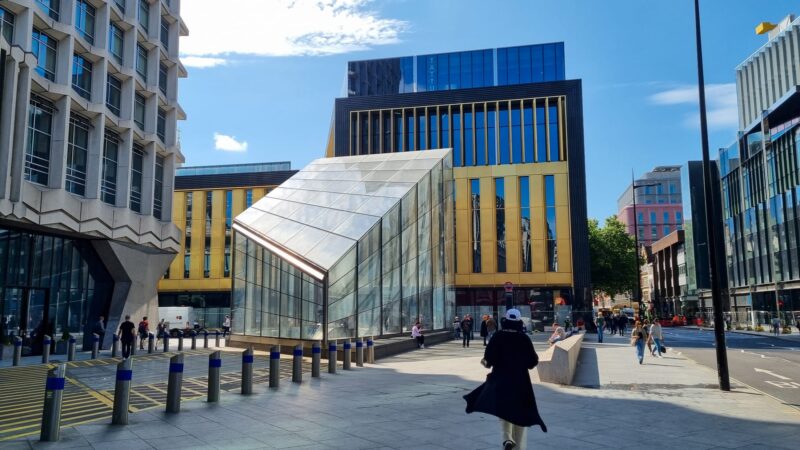
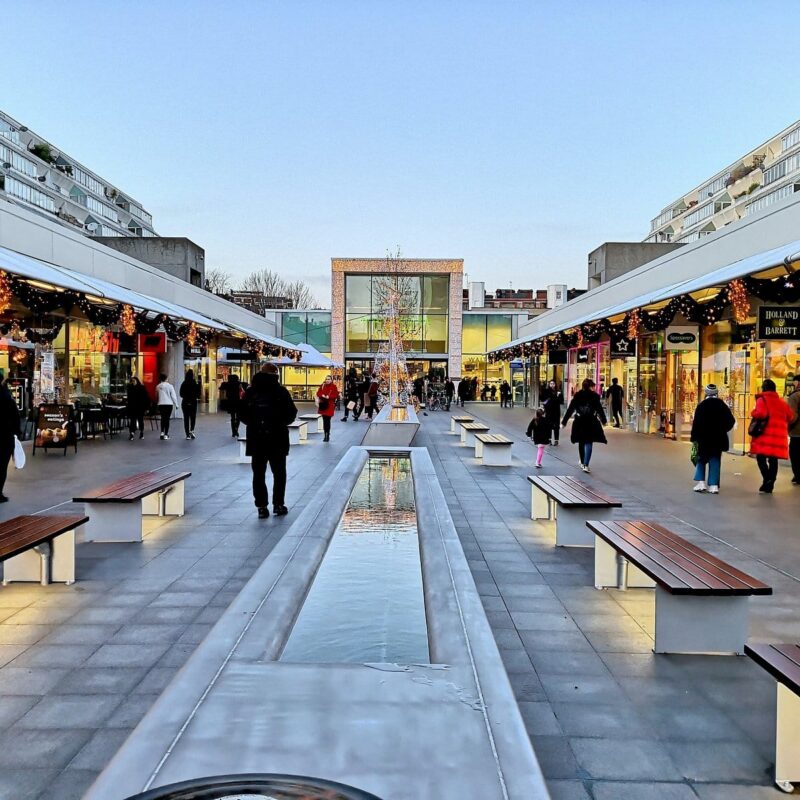
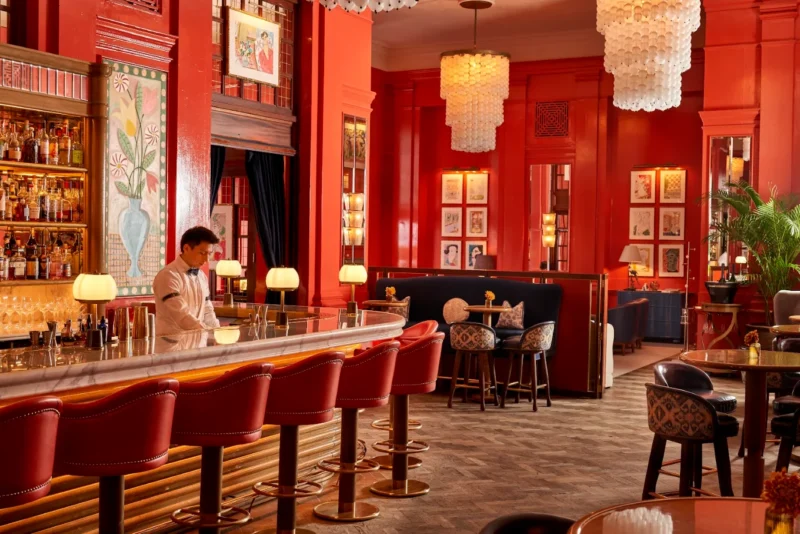
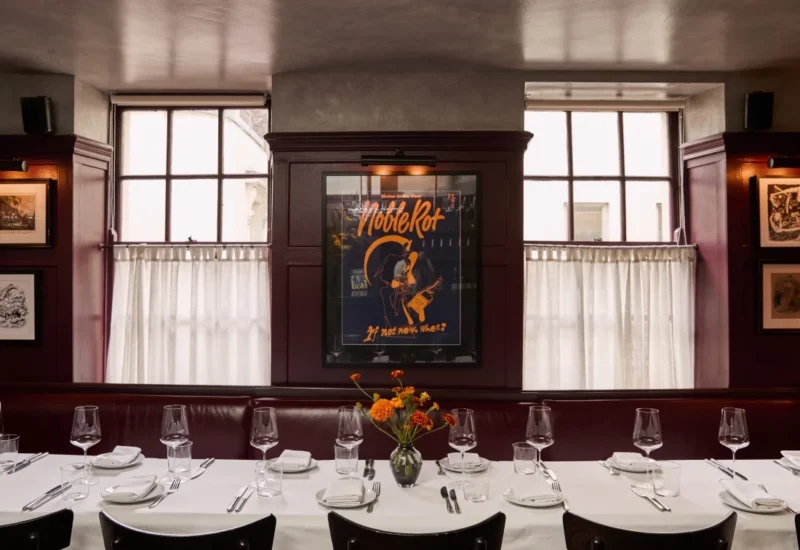
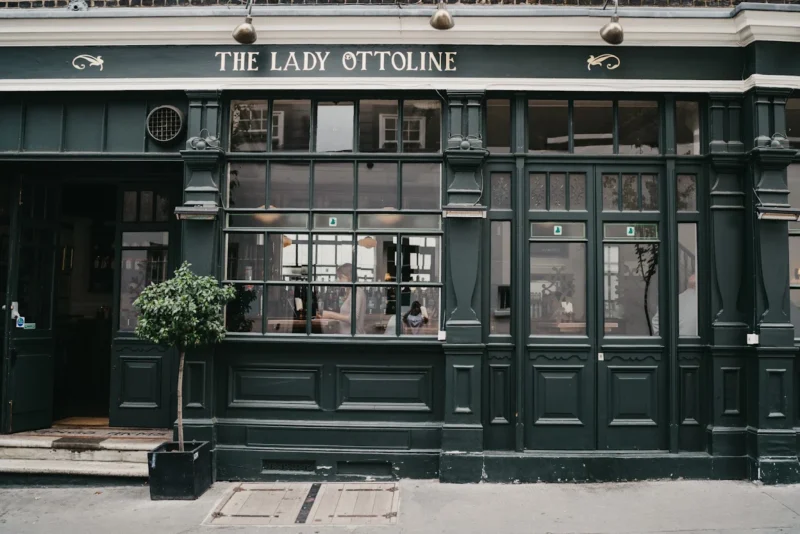
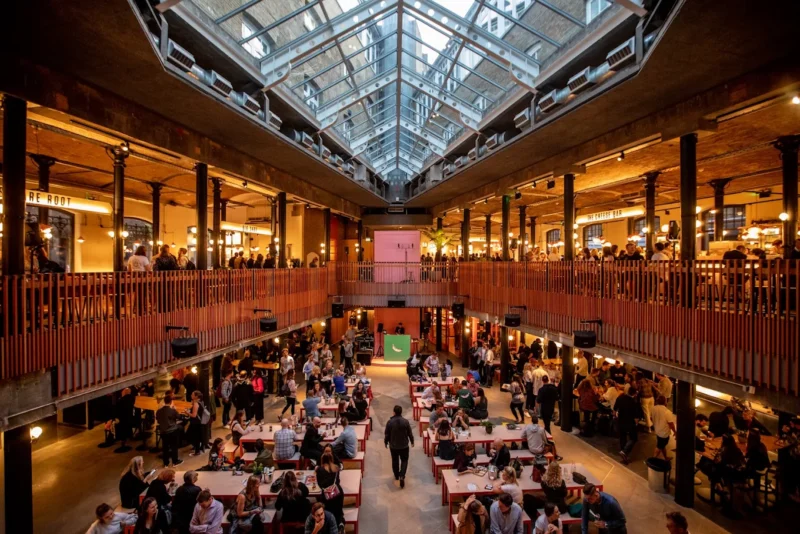
Bloomsbury is one of London’s most agreeable corners: a curious little quarter of handsome squares, learned museums, independent shops, excellent restaurants and enough literary history to keep the curiosity flowing.
Frequently Asked Questions
Bloomsbury is one of central London’s most distinctive neighbourhoods, known for its literary heritage, beautiful garden squares, museums, historic architecture and cultural attractions. It has strong connections with writers, artists and intellectuals, and is home to attractions including the British Museum and a wide range of independent shops, restaurants and cafés.
Bloomsbury is located in central London, within the London Borough of Camden. It sits close to areas including Covent Garden, Fitzrovia, Holborn, King’s Cross and Euston, making it a convenient base for exploring central London.
Bloomsbury is very well connected by public transport. The neighbourhood is served by several London Underground stations, including Russell Square, Holborn, Tottenham Court Road and Goodge Street. King’s Cross St Pancras and Euston stations are also within easy reach, providing connections to National Rail and other Underground lines.
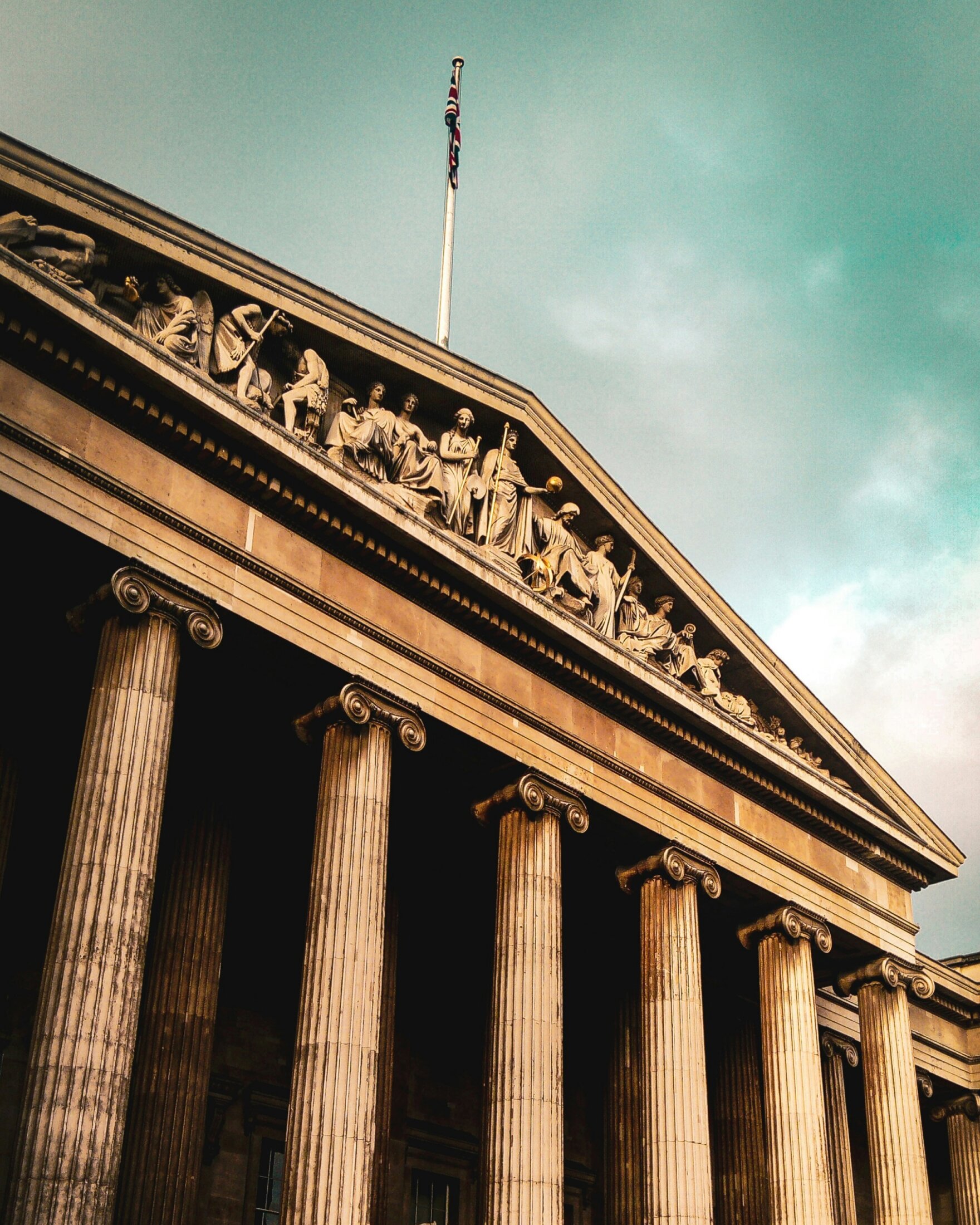
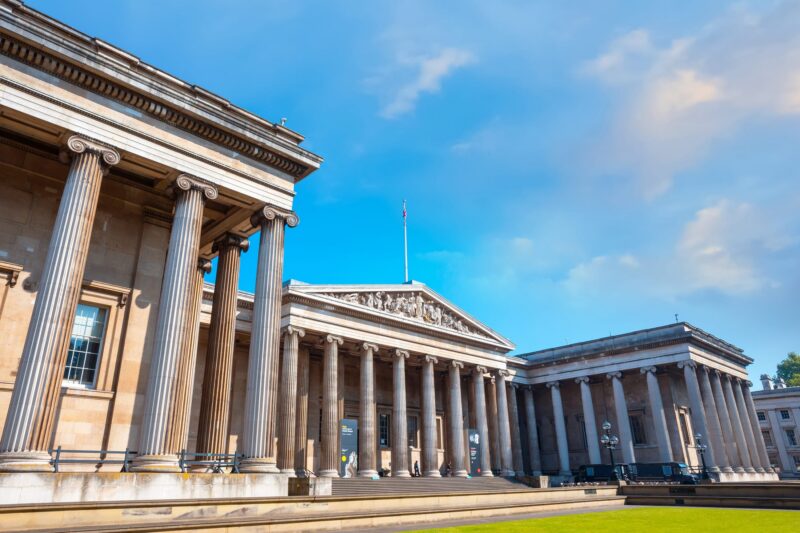
Yes. The British Museum is located in Bloomsbury and is one of the neighbourhood’s most prominent cultural attractions. Several hotels and other venues in the area are within a short walk of the museum.
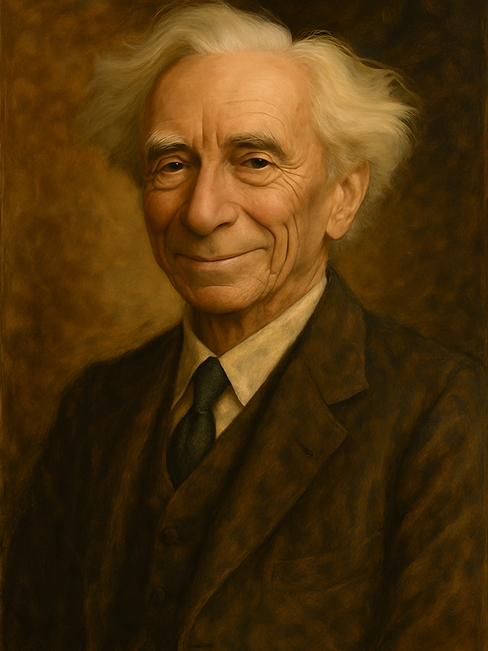
Bertrand Russell was an important intellectual influence on the Bloomsbury circle and became closely associated with its writers, artists and thinkers in the early 20th century. His connection came partly through the Cambridge Apostles, the intellectual society that also included several future members of the Bloomsbury Group, and through his friendship and relationships with figures such as Lady Ottoline Morrell. Russell’s philosophical ideas and his prominent pacifism during the First World War also resonated with members of the Bloomsbury circle.